Blog
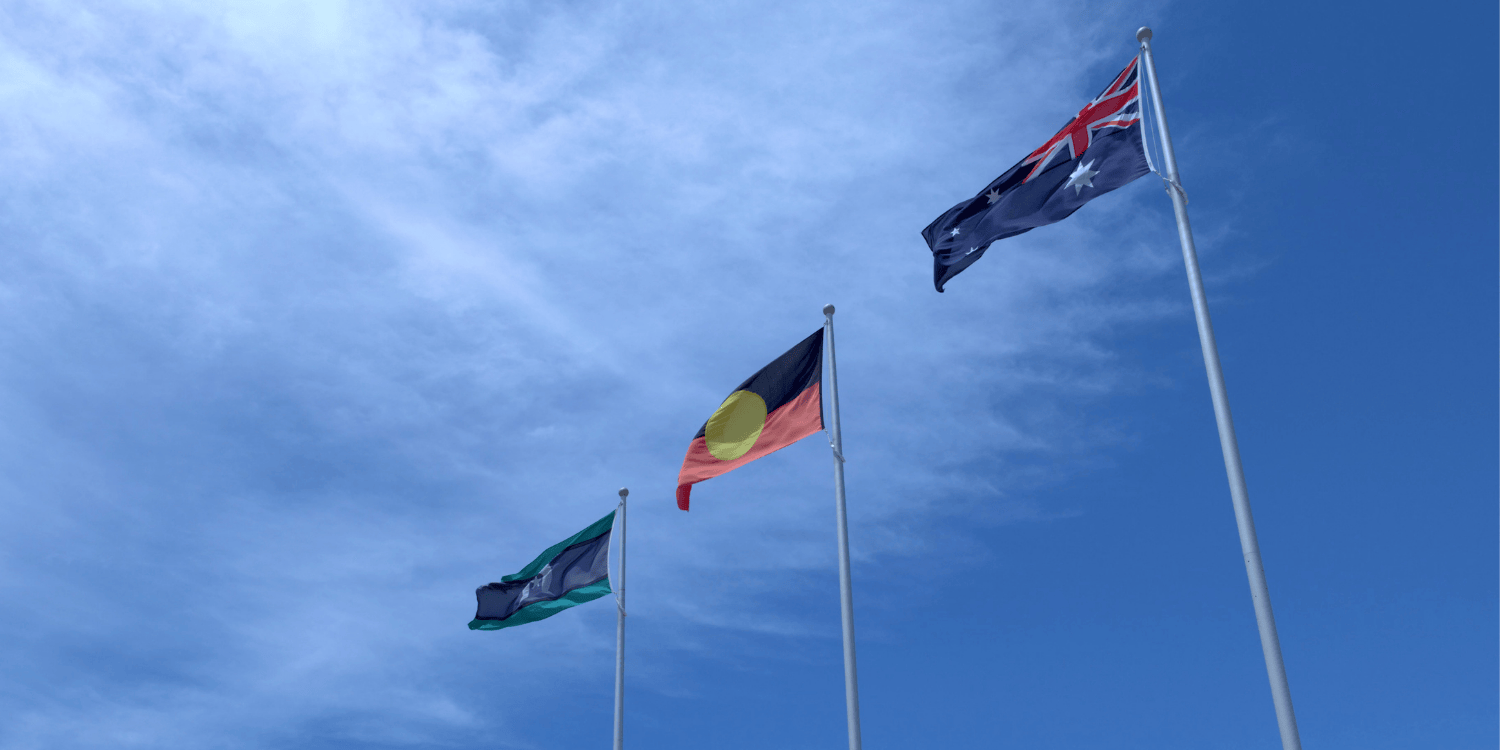
EYLF Principles #4: Aboriginal and Torres Strait Islander Perspectives
Principle 4 of the Early Years Learning Framework (EYLF V2.0) is Aboriginal and Torres Strait Islander Perspectives. This principle requires educators to embed First Nations knowledge, histories, and cultures into everyday early childhood practice. This principle...

EYLF Principle #3: Respect for Diversity
Every child starting at an early learning centre brings a family with them – along with a language that is spoken at home, a unique set of customs and values, and a predefined idea of what childhood should look like. Respect for diversity is the third principle of...
EYLF Principles #5: Equity, inclusion and high expectations
In the EYLF, high expectations and equity (expanded to equity, inclusion, and high expectations in V2.0) means that every child is capable of more than people sometimes believe they are - or give them credit for. The Early Years Learning Framework (EYLF) holds high...

EYLF Principles #2: Partnerships with families
The Early Years Learning Framework (EYLF) Principle #2 dictates that educators work in collaborative partnerships with families. It acknowledges that parents are a child's first and most influential teacher. The parent-teacher relationship is built on mutual respect,...
EYLF Principles #1: Secure, respectful and reciprocal relationships
EYLF Principles #1: Secure, respectful and reciprocal relationships The Early Years Learning Framework (EYLF) is Australia's national standard for early childhood education and care. Its full name is Belonging, Being and Becoming: The Early Years Learning Framework...
What Is the National Quality Framework (NQF) and What Centre Ratings Mean for Your Child
The choice of childcare centre for your child has a huge role in the quality of early education and care they receive during some of their most formative years. Let’s say you’ve found two childcare centres roughly the same distance from your home. One has a rating of...

Inclusive Practice in Childcare: Examples for Parents
Childcare is a critical environment for early learning - every planned program, interaction with peers and educators, and experience of care contributes to the growth and development of children. If you are a parent, you’ve likely come across the phrase ‘inclusive...
What Does Cultural Safety Mean in Childcare?
Australia has come a long way in embracing multiculturalism and racial diversity - but every so often, cultural biases can still appear in workplaces, communities, and even in schools. As early learning Educators, we are responsible for safeguarding the well-being...
What Is Age Appropriate Decision Making in Childcare?
As a parent, it’s only normal to have questions around how early learning educators make decisions around care, learning curriculum, and well-being for your child during their time in childcare. In Australia, educators at early learning centres use...
What’s the Difference between Preschool and Kindergarten?
Preschool and kindergarten can refer to different levels of early learning, depending on where you live in Australia. In some child care centres, both preschool and kindergarten programs are used interchangeably, which can be somewhat confusing as a parent! If you’re...